Victor Tan
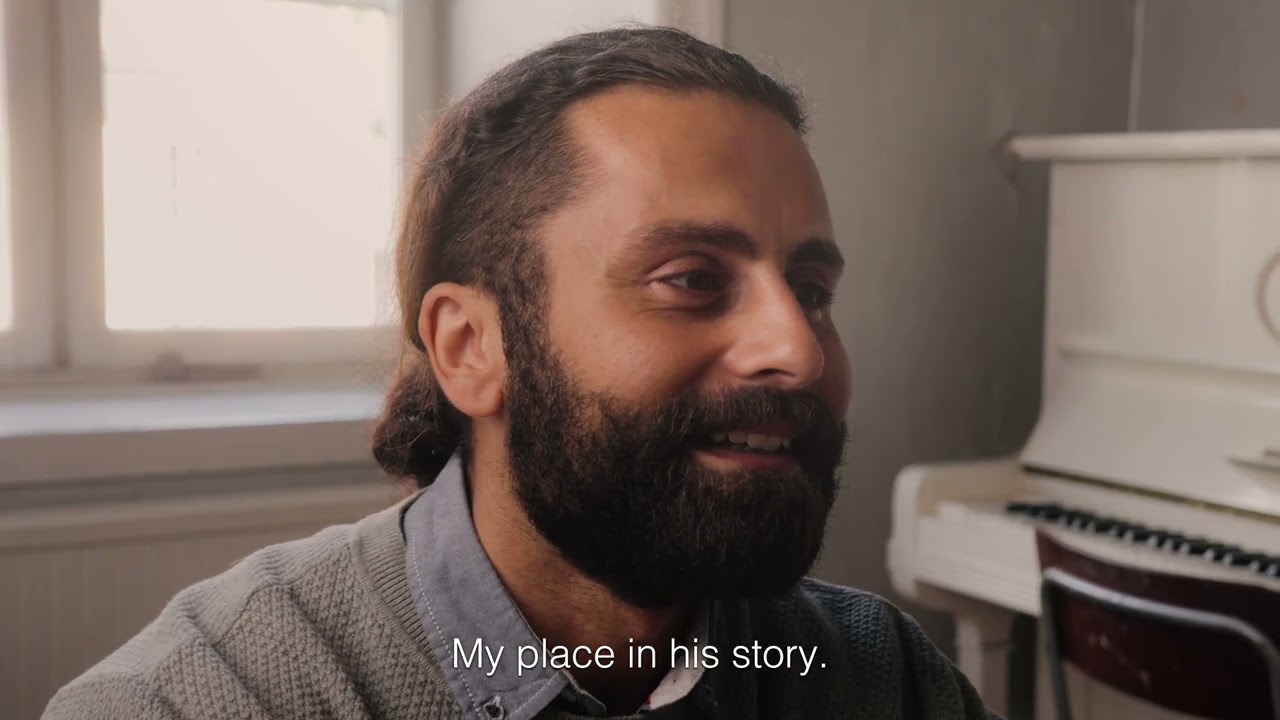
A once-acclaimed classical pianist in his early 50s withdraws from public life after developing visual agnosia, which leaves him unable to recognize faces and objects.
Gentle and self-conscious, he clings to his extraordinary musical ear as both comfort and compass. Haunted by the fear of losing his bond with Sarah, he struggles with guilt and identity.
Through melodic therapy, he gradually finds new ways to navigate the world with dignity, even without a full cure.
SYNOPSIS – “FACES”
Set in a bustling 1980s hospital, Faces follows Dr. Edward Redwood, an introverted neurologist with a background in research who’s determined to prove his innovative methods in a real-world setting.
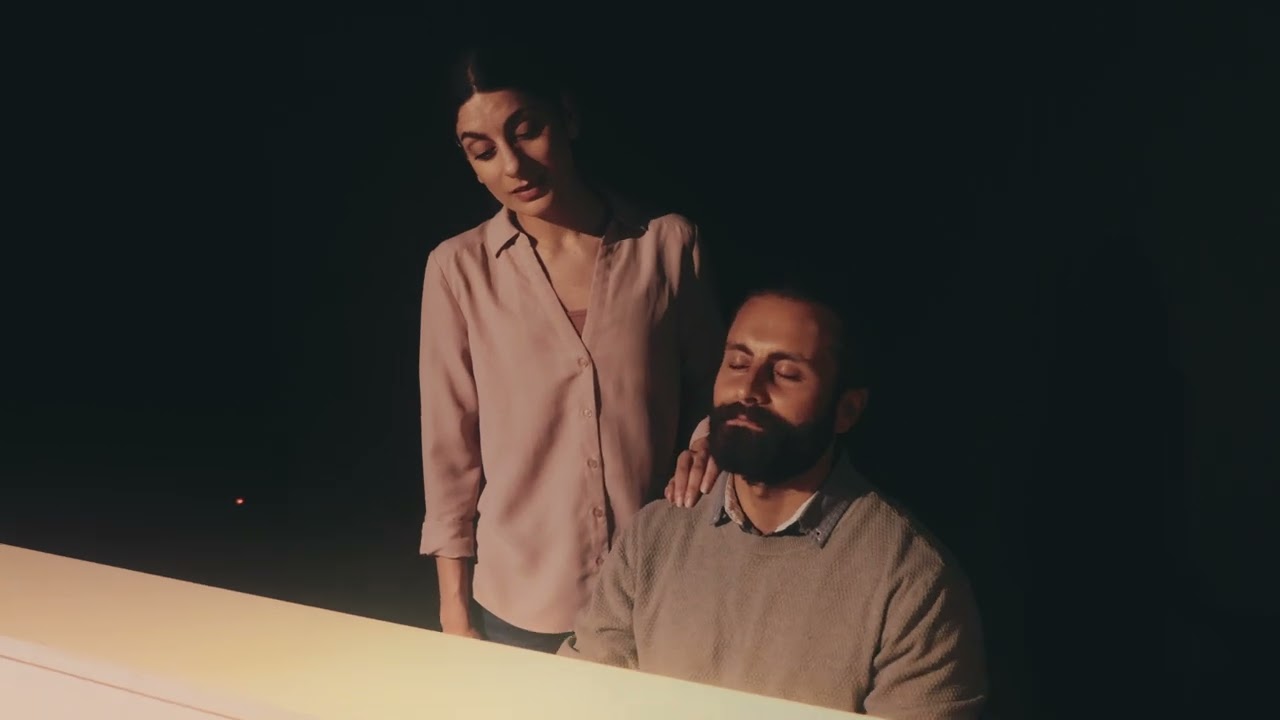
On his first day, Redwood encounters Victor Tan, a once-renowned concert pianist now suffering from visual agnosia, unable to recognize faces or ordinary objects.
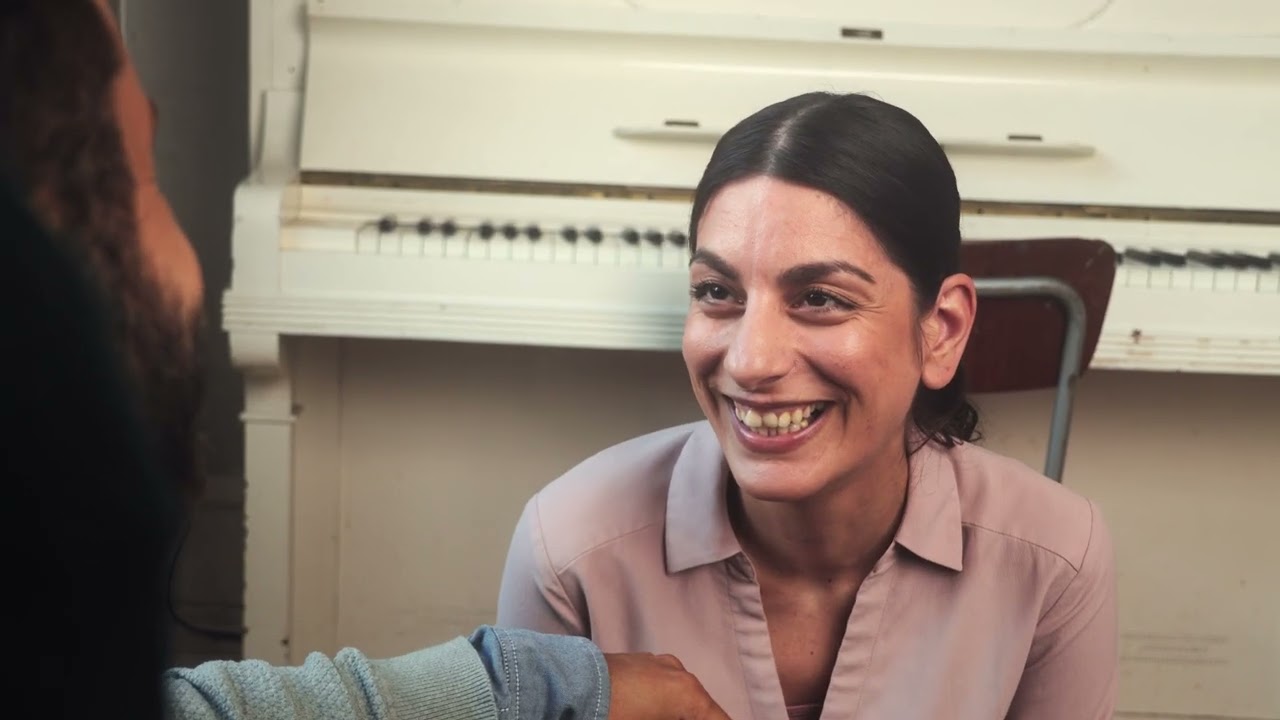
Victor’s wife, Sarah, is torn between hope and heartbreak, as each day reminds her that her husband can see but cannot truly perceive her anymore.
Undeterred by Dr. Keller’s budgetary constraints and skepticism, Redwood devises a melodic therapy approach. Teaming with the compassionate Nurse Morgan, he introduces short, personalized musical motifs for Victor to associate with key people and objects, hoping to bypass his impaired visual pathways. Early sparks of progress renew Victor’s and Sarah’s hope, but unforeseen setbacks, particularly a jarring meltdown when Victor fails to
recognize Sarah, threaten Redwood’s entire effort.
Under mounting pressure from Keller to deliver measurable results, Redwood refines the therapy into smaller “micro-sessions,” carefully balancing the need for accelerated progress with the risk of overloading Victor.
Despite lingering uncertainties and no promise of a complete cure, Redwood’s experimental method yields tangible improvements: Victor identifies simple objects and, crucially, reestablishes emotional connections through musical cues.
In the climactic scene, Victor performs a gentle piano piece for a modest hospital audience—still prone to moments of confusion, yet profoundly changed by the melodic therapy. T
he film ends on a bittersweet note, with Victor’s regained sense of identity resonating through the keys, and Redwood, Sarah, and Morgan accepting that progress, not perfection, is what truly matters.

Sarah Tan
She built a life around music with Victor, meeting him backstage and sharing a deep love for performance before his condition changed everything.
As his visual agnosia progressed, she set aside her own ambitions to become his steady anchor, filling their home with labeled notes and quiet gestures of care. Meticulous yet tender, she hums his old pieces when stressed and holds onto photographs that he can no longer truly see.
Her greatest longing is to be recognized again, both in face and in feeling and to keep him from slipping into despair.
Through Redwood’s therapy, she learns to accept a “new normal,” finding relief and renewed connection even without a complete cure.
THEMES
1. Resilience & Human Connection o Faces underscores how, even in the face of a crippling neurological condition, perseverance and gentle support (both from loved ones and medical staff) can spark real progress. Victor can’t be “cured,” but he and Redwood find a way to reclaim pieces of his life.
2. Music as a Bridge o The film spotlights music as an alternative way of “seeing,” offering hope to someone whose vision no longer recognizes the faces he loves. This melodic therapy becomes the thread uniting the characters, forging an unexpected path to emotional intimacy.
3. Bittersweet Triumph o While there’s no complete fix for Victor’s visual agnosia, Faces explores the power of partial victories—the small breakthroughs that restore dignity and closeness in otherwise heartbreaking circumstances.
TONE
• Gentle, Observational Feel
Much like a “fly on the wall,” the camera (or vantage) observes the day-to-day reality of the hospital, with a soft, realistic approach. The hospital pastel aesthetic adds an understated warmth.
• Emotional Yet Restrained
While the film touches on profound emotional struggles, Victor’s meltdowns, Sarah’s heartbreak, moments of levity and genuine human kindness balance the tension. It avoids melodrama, aiming instead for quiet, authentic emotion.
• Nostalgic Edge
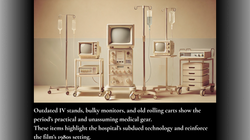
The 1980s setting, with its retro hospital decor and discreet color palette, offers a gentle sense of nostalgia. Subtle references (pastel walls, overhead fluorescents, older medical equipment) root the story in a tangible time and place without dominating the narrative.
• Hopeful Undercurrent
Despite the central tragedy of visual agnosia, Faces remains hopeful. It echoes the spirit of Awakenings (1990). The belief that even incremental improvements can transform lives. Every delicate chord reaffirms that small moments of recognition are sometimes the greatest triumphs of all.

Dr. Edward Redwood
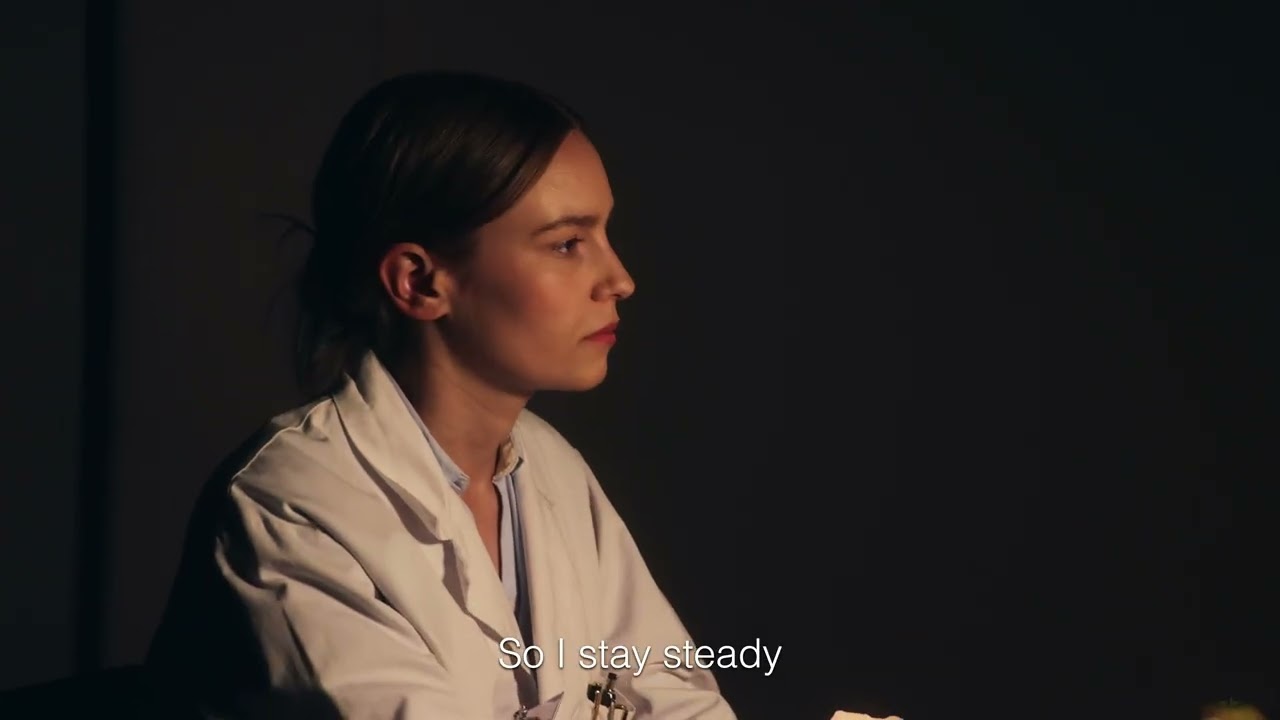
In his early 40s, Dr. Redwood is a research-driven neurologist entering his first major clinical role, eager to test his theories on perception in real patients.
Raised in an academically strict household, he became analytical and introverted, more at ease with data than with people.
Brilliant but socially awkward, he often appears detached, focused on proving his innovative approach.
Through working with Victor, he begins to balance intellect with empathy. By the end, he accepts that even partial breakthroughs are meaningful triumphs.
 |  |  |  |  |
|---|---|---|---|---|
 |  |  |

MOODBOARD
(click image to enlarge)

Emily Morgan
In her 30s, Nurse Morgan is the capable and compassionate head nurse of the neurology wing, known for her calm efficiency and genuine warmth.
Inspired by her mother’s work as a nurse, she chose patient care over teaching and rose quickly into leadership, shaped by past burnout into someone who values small but meaningful victories.
She balances instinct and data, bridging Redwood’s analytical mindset with the emotional realities of patient care. Supportive and morale-boosting, she becomes both his practical ally and quiet confidante as the therapy unfolds.
By the end, she is deeply invested in the outcome and proud of the progress they’ve made and more personally connected than she ever expected.

Md. Dr. Keller
He is the seasoned director of neurology, balancing medical oversight with budgets and board expectations.
Once a practicing neurologist, he moved into administration and grew cautious after witnessing too many promising therapies fail.
Methodical and businesslike, he demands clear data and concise proof before committing hospital resources. Initially skeptical of Redwood’s experimental approach, he sees it as idealistic and risky.
Over time, as evidence of progress builds, he cautiously supports continuing the therapy, embodying the institutional gatekeeper Redwood must win over.
KEY SCENES / STORY BEATS
1. Redwood Meets Victor
o Hospital Lobby / Corridor: Dr. Redwood, new to patient care, encounters Victor Tan talking politely to a coat rack—a disorienting glimpse at his visual agnosia.
o Why It Matters: Immediately establishes both Redwood’s awkward empathy and Victor’s heartbreaking inability to recognize faces.
2. Melodic Therapy Unveiled
o Therapy Room: Redwood introduces short musical motifs as a way for Victor to identify objects and people.
o Why It Matters: Showcases Redwood’s unorthodox approach, sets the tone of innovative but risky therapy.
3. Major Meltdown
o Victor’s Hospital Room: Victor fails to recognize his own wife, triggering a distressing emotional collapse.
o Why It Matters: High emotional tension, almost derailing Redwood’s work. Proves how fragile Victor’s progress is and tests Redwood’s
resolve.
4. Refined Micro-Sessions
o Brief Montage of Short, Frequent Exercises: Redwood and Nurse Morgan track Victor’s incremental gains, culminating in him finally recognizing Sarah through a melodic + scent cue.
o Why It Matters: Reinforces the film’s core theme: partial victories can be lifechanging, even if not a total cure.
5. Final Performance
o Modest Hospital Auditorium: Victor plays a tentative yet uplifting piece on the piano. Redwood, Sarah, and Morgan watch, emotional but realistic about his ongoing struggle.
o Why It Matters: Serves as the bittersweet capstone—Victor isn’t “cured,” but music leads him to a fragile new way of “seeing.”
6. Bittersweet Farewell
o Quick Epilogue / Final Shot: The camera lingers on Victor still at the piano, quietly playing for himself. Fade out.
o Why It Matters: Leaves audiences with a mix of hope and sadness, emphasizing that small breakthroughs can be monumental when cures
aren’t possible.

SHOOTING FORMAT & EQUIPMENT
We will film on the Sony FS7mII with Sirui Saturn anamorphic lenses, providing a cinematic yet intimate feel.
For movement, we’ll use a ProAim Flycam stabilizer during handheld sequences and tripods for more static, formal shots.
This setup strikes a balance between the "fly on-the-wall" observational style and moments requiring steadier composition.
LOCATION & SET DESIGN
A real, unused hospital ward serves as our primary location, offering authentic corridors, patient rooms, and a tangible 1980s vibe.
We have secured an auditorium for both the flashback concert scene and the final performance moment.
To ensure a convincing 1980s aesthetic, we’re hiring a set designer to source era-appropriate furniture, medical props, and décor.
SCHEDULING & TIMELINE
We anticipate a five-day shoot, based on a script breakdown that indicates roughly 20 minutes of screen time.
Post-production will span about 40 hours of editing, divided over five weeks due to the editor’s simultaneous projects.
This timeline covers basic color grading, sound design, and musical scoring.
BUDGET RANGE
Our current budget estimate is €25,000–€32,000. The bulk of these funds will go toward set & costume, crew and locations ensuring authentic set dressing and the visual demands of the film are well met.
PARTNERSHIPS & GRANTS
We’re actively seeking grants, sponsorships, and angel investors to complete the short film at its highest quality.
This short will also serve as proof-of-concept for the subsequent feature film version of Faces.
We intend to submit the final short to major festivals such as Cannes World Film Festival, Hollywood North International Film Festival, London Independent Film Festival, among others while aiming for broad exposure and potential additional funding opportunities

COMPARABLE FILMS & INSPIRATION
1. Awakenings (1990)
o Overlap: Both explore neurological conditions and the emotional weight of patients’ partial recoveries.
o Difference: Faces introduces visual agnosia, a lesser-known but real disorder, using melodic therapy in place of Awakenings’ L-Dopa
approach.
2. The Pianist (2002) — Only Thematic, Not Plot
o Overlap: Music as a crucial anchor in dire circumstances.
o Difference: Faces is an intimate hospital story, not a wartime survival film, but it shares the same undercurrent of resilience found in
an artist’s struggle.
3. Other Low-Budget Medical Dramas
o Similar hospital-based or intimate patient narratives (Patch Adams thematically for empathy, or smaller festival medical dramas).
Faces stands out through its rare neurological subject and 1980s pastel aesthetic.
WHY FACES STANDS OUT
1. Music as Therapy
o Few films delve into short melodic cues as a practical tool for neurological conditions, offering a fresh hook for audiences.
2. 1980s Pastel Aesthetic
o The gentle palette, retro medical equipment, and unobtrusive hospital corridors evoke a nostalgia that’s comforting yet not overly
stylized.
3. Rare Neurological Condition
o Faces centers on visual agnosia, a lesser-known but real disorder preventing individuals from recognizing faces. This offers a fresh
authenticity and educational appeal.
4. Emphasis on Partial Victories
o While a complete cure is impossible, the film’s focus on small but meaningful breakthroughs echoes

TARGET AUDIENCE
• Festival-Goers & Cinephiles: Viewers drawn to intimate dramas and uplifting or bittersweet endings.
• Medical/Health-Related Communities: Neurological organizations, music therapy advocates, and health-focused festivals may find Faces
uniquely compelling due to its depiction of visual agnosia.
• Wider Streaming/Television: The film’s gentle, universal themes of perseverance and partial victories can appeal to a broad audience
seeking character-driven stories.
DISTRIBUTION & FESTIVAL STRATEGY
• Major Festivals: Cannes World Film Festival, Hollywood North International Film Festival, London Independent Film Festival,
targeting broad exposure and critical recognition.
• Niche or Themed Festivals: Particularly those showcasing medical or psychological themes. Faces will potentially partner with neurology
or music therapy groups to raise awareness.
• Online & Future Feature Expansion: Following a festival run, the short will be shared on curated streaming platforms, building
excitement for the planned feature length version of Faces.

Music therapy has been a guiding force in my own life, particularly in my journey with PTSD. As a healthcare specialist, I’ve witnessed how rhythm, melody, and creative expression can open doors that standard treatments sometimes cannot, whether it’s easing anxiety, bridging communication gaps, or restoring a sense of self.
My fascination with Oliver Sacks’ work and human resilience in hardship has only deepened this conviction: even subtle changes in how we perceive and connect can produce profound emotional ripples.
In Faces, I want to channel that personal awe. Showing that, despite complex diagnoses or unseen injuries to our senses, moments of genuine empathy and shared passion can profoundly transform people’s lives.
Creatively, I’m drawn to the interplay of partial victories and setbacks that define Victor’s struggle with visual agnosia.
Instead of a grand, miraculous cure, we highlight small breakthroughs that feel both fragile and achingly real.
By setting the film in a softly nostalgic 1980s hospital, I aim for a
“fly on the wall” intimacy: unobtrusive shots that allow the audience to experience these incremental wins and crushing disappointments right alongside the characters.
Ultimately, I hope Faces raises awareness of lesser-known conditions and inspires deeper thought about how we bond with each other, be it through shared passion for music or simple human compassion when life’s usual cues fail.
BIOGRAPHY
Oswald Hunter (writer, director, producer)

Victor Nikamo (DoP, editor)


Contact Information
Oswald Hunter
+346 072 344 52
Public "behind the scenes"
@ instagram/faces_movie_
@ tiktok/faces.themovie
@ facebook/facesthefilm
"Behind the scenes" exclusive to sponsors & partners
@ instagram/faces.movie
THANK YOU FOR EXPLORING "FACES"